
10 Facebook Marketplace Scams in the US You Must Avoid (2026)
Let me take you back to a Tuesday morning that still makes my stomach turn.
I had been flipping items on Facebook Marketplace for about six months. I thought I was smart. I thought I had seen it all. Then I saw a listing for a MacBook Pro. The price was $300. The photos looked real. The seller had a profile that was five years old with normal-looking friends.
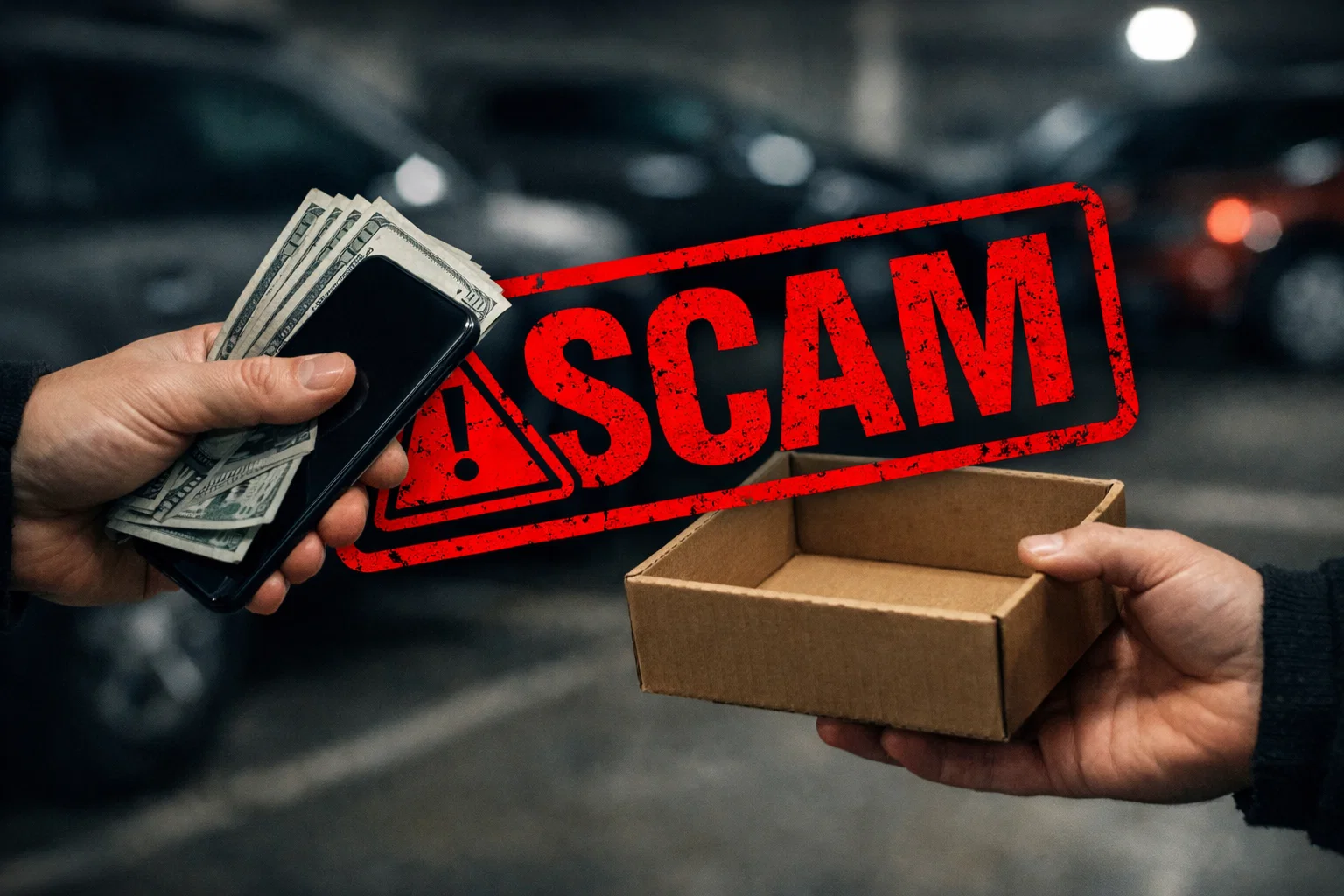
We agreed to meet at a coffee shop. He showed up on time. He was friendly, confident, and in a hurry. He handed me the laptop in a sealed Apple box. I handed him $300 in cash. I didn’t open the box. I didn’t want to seem rude.
I drove home feeling like a genius. I opened the box.
Inside was a rectangular piece of wood painted silver with a printed Apple logo taped to it.
Three hundred dollars. Gone. In less time than it takes to brew coffee.
That was the day I realized that Facebook Marketplace is not just a goldmine. It is also a hunting ground. Scammers are getting smarter, faster, and more convincing every single year. And in 2026, they have evolved.
This guide is not a theory. It is not a generic warning from a cybersecurity blog. This is a boots-on-the-ground, I-ate-the-dirt guide to the ten most dangerous scams on Facebook Marketplace right now. I will tell you exactly how each scam works, walk you through a real-life scenario, show you the warning signs, and give you the exact words and actions to avoid losing your money.
If you sell or buy on Marketplace, read every single word. Your wallet depends on it.
Why Scams Are Exploding on Facebook Marketplace in 2026
Before we dive into the scams, let me give you some context. In 2025, the FTC reported that social media marketplace fraud jumped by 78 percent compared to 2023. Facebook Marketplace is the number one platform for these crimes. Why? Because it combines anonymity, urgency, and cash.
Scammers know that regular people are not trained to spot fraud. They know you want a deal. They know you trust a friendly face. And they are exploiting every single one of those instincts.
The ten scams below are the ones I have personally encountered, heard from readers, or watched friends fall for. They are active right now in cities from Miami to Seattle. Do not think you are too smart to be fooled. That is exactly what they want you to think.
10 Facebook Marketplace Scams in the US You Must Avoid (2026)
Scam #1: The Fake Venmo/Zelle Confirmation
How It Works
The scammer agrees to buy your item for a fair price. They show up, inspect the item, and say they forgot cash. They offer to pay instantly via Venmo, Zelle, or CashApp. They open their phone, appear to send the money, and show you a confirmation screen. The screen looks real. It has your name, the amount, and a fake confirmation number.
You hand over the item. You check your phone. Nothing. They say “sometimes it takes five minutes.” By the time you realize the money never arrived, they are long gone.
READ ALSO Top 7 Trending Dropshipping Products to Sell in 2026
Real-Life Style Scenario
You are selling an iPad for $250. A woman named “Jessica” messages you. She seems normal. She shows up at the Starbucks parking lot with her toddler in the back seat. She looks like a busy mom. She loves the iPad. She reaches into her purse and frowns. “Oh no, I left my cash at home. Can I Venmo you?”
You hesitate, but she looks trustworthy. She opens Venmo, types your username, sends $250, and turns her phone toward you. You see “Payment Sent – $250” on her screen. You hand over the iPad. You drive away. Two hours later, your Venmo balance is still $0. You message her. Blocked.
Warning Signs
-
The buyer “forgets” cash but insists on digital payment.
-
They are in a visible hurry.
-
They show you their phone screen instead of letting you see yours.
-
They refuse to wait for you to confirm receipt on your own device.
How to Avoid It
Cash only. No exceptions. If they forgot cash, they can go to an ATM. There is almost always an ATM within walking distance of a Starbucks or grocery store. If they refuse to get cash, walk away. Also, never accept a screenshot as proof. Only trust what you see on your own phone with your own eyes.
Scam #2: The “Verification Code” Hijack
How It Works
This scam targets sellers. The scammer messages you about your listing and says they want to buy it immediately. They ask for your phone number to “verify you are real.” Then they say they will send a Google Voice verification code to your phone. They ask you to read that code back to them.
What you do not know is that they are using your phone number to create a Google Voice account linked to your identity. Once you give them the code, they own that number. They can now use it to scam other people, and the trail leads back to you.
Real-Life Style Scenario
You list a couch for $200. Within five minutes, “Mark” messages you. “Very interested. Can you text me at this number? I want to send a deposit.” You text him. He says, “I’m going to send a 6-digit code to verify you’re a real person. Just read it back to me.” A code arrives. You read it. He says “thanks” and disappears. Three days later, your phone number is locked out of Google, and strangers are calling you asking why you scammed them.
Warning Signs
-
Anyone who asks for your phone number outside of Facebook Messenger.
-
Anyone who mentions a “verification code” or “Google Voice.”
-
Buyers who want to “verify” you before even seeing the item.
-
Messages that feel rushed or pushy.
How to Avoid It
Never share a verification code with anyone. Ever. No legitimate buyer needs to verify you. Facebook Messenger has built-in chat. If someone insists on texting, block them immediately. Also, never give out your phone number before meeting in person.
Scam #3: The Overpayment Check
How It Works
This scam usually targets people selling high-value items like cars, RVs, or furniture. The scammer says they are out of state or deployed in the military. They offer to send a cashier’s check for more than your asking price. The excuse is always something like “for shipping fees” or “for the movers.”
You deposit the check. Your bank makes the funds available within 24 hours (as required by law). You send the “extra” money to the “shipping company” via Zelle or wire transfer. A week later, the check bounces. The bank takes the full amount back. You are out the item and the money you sent.
Real-Life Style Scenario
You are selling a used truck for $8,000. A buyer named “Sergeant Williams” messages you. He says he is stationed overseas and needs the truck shipped to his daughter. He sends a cashier’s check for $12,000. “The extra $4,000 is for the shipping company. Just send them the difference.” The check clears your bank. You send $4,000 via Zelle to the “shipper.” Two weeks later, the check is flagged as fraudulent. Your account is negative $12,000. The real Sergeant Williams does not exist.
Warning Signs
-
Any buyer who cannot meet in person.
-
Any check for more than the asking price.
-
Stories about military deployment, illness, or being out of state.
-
Requests to send money to a third party.
How to Avoid It
Never accept a check from a Facebook Marketplace buyer. Cash only. If they claim to be out of state, tell them to have a local friend or family member meet you with cash. No exceptions. Also, never become a money mule. If someone sends you extra money, refuse the sale.
Scam #4: The Fake Escrow or Shipping Service
How It Works
This is a variation of the overpayment scam. The scammer claims they cannot meet in person, so they want to use a “Facebook-approved” shipping or escrow service. They send you a link that looks legitimate. The website has Facebook logos, fake customer service numbers, and professional design.
READ ALSO How to Make $500 a Week Flipping Items on Facebook Marketplace (Beginner Friendly)
You enter your credit card or bank information to “verify your identity” or “pay a small insurance fee.” The scammer now has your financial details. They drain your account. The item never ships. The buyer disappears.
Real-Life Style Scenario
You list a designer handbag for $500. “Lauren” messages you. She lives three states away but really wants the bag. She says she only uses “Facebook Secure Ship” and sends you a link. The website looks real. It asks for your debit card to “confirm seller status.” You enter the info. A $50 fee is charged. Then another $200. Then your card is declined. You check your bank account. It is empty.
Warning Signs
-
Any link sent to you in a Facebook message.
-
Any request for credit card, debit card, or banking login.
-
Websites with poor grammar or odd URLs (e.g., facebook-shipping.xyz).
-
Buyers who refuse to use cash or in-person pickup.
How to Avoid It
Facebook Marketplace does not have an official shipping escrow service. If a buyer sends you a link, assume it is a scam. Only use cash and in-person meetings. If you must ship an item, use eBay or Poshmark where payments are processed through the platform, not through random links.
Scam #5: The Rental Deposit Trick
How It Works
You see a beautiful apartment or house listed for rent on Facebook Marketplace. The price is suspiciously low. The photos look like they came from a magazine. The “landlord” says they are out of town but will hold the apartment for you if you send a “refundable deposit” via Zelle or CashApp.
You send $500 or $1,000. They send you a digital “lease agreement.” When you show up to move in, the apartment is either occupied or does not exist. The real owner has no idea who you are. Your money is gone.
Real-Life Style Scenario
*You are looking for a one-bedroom apartment in Denver. You find a stunning place for $900 a month. The photos show granite countertops and a rooftop deck. The “owner” says she is traveling in Europe but will hold it for a $600 deposit. She sends a lease. It looks professional. You send the money. She sends a confirmation. You arrive on moving day. A confused family answers the door. They have lived there for three years. The listing was copied from Zillow.*
Warning Signs
-
Rent that is significantly below market rate.
-
Landlords who cannot show the property in person.
-
Requests for deposits before you have seen the inside.
-
Listings with generic descriptions or watermarked photos.
How to Avoid It
Never send a deposit without walking through the property first. If the landlord cannot meet you, it is a scam. Use legitimate rental platforms like Zillow or Apartments.com. Also, reverse image search the listing photos. Scammers steal them from real estate sites.
Scam #6: The Broken Item Swap
How It Works
This scam targets buyers. You agree to buy a high-value electronic item like a PlayStation, iPhone, or laptop. The seller shows you a working item. They put it back in the box. You pay. You go home.
When you open the box, the working item has been swapped with a broken one, a different model, or a brick. The seller switched it while you were counting cash or looking away.
Real-Life Style Scenario
You meet a seller to buy an iPhone 15 for $400. He shows you the phone. It turns on. The screen is perfect. He puts it in a case, then into a small box. You hand over the cash. He leaves. You open the box at home. Inside is an iPhone 7 with a cracked screen. He swapped them when you blinked.
Warning Signs
-
Sellers who rush the transaction.
-
Sellers who handle the item after you have inspected it.
-
Boxes, bags, or cases that are opaque.
-
Sellers who distract you during the exchange.
How to Avoid It
Inspect the item again immediately before handing over cash. Do not let the seller pack it until you are holding the money. If they refuse, walk away. Also, test electronics at the meeting. Plug them in. Turn them on. Check the serial number.
Scam #7: The Ghost Listing (Multiple Buyers)
How It Works
A scammer lists a popular item (like a gaming console, designer bag, or event ticket) at a great price. They message multiple interested buyers and tell each one that someone else is coming. They create urgency. They ask for a “small deposit” to hold the item.
Five or ten buyers each send $20 or $50. The scammer disappears. The item never existed. The scammer makes $200 to $500 with zero effort.
Real-Life Style Scenario
You see tickets to a Taylor Swift concert listed for $150 each. The seller says she has four tickets. She says three other people are interested. “If you want them, send a $50 deposit now.” You send $50. She promises to meet you tomorrow. Tomorrow comes. She blocks you. She did the same thing to twelve other fans.
Warning Signs
-
Urgency (“others are coming,” “first come first served”).
-
Requests for a deposit before meeting.
-
Sellers who refuse to meet in person without prepayment.
-
Prices that are too good to be true.
How to Avoid It
Never pay a deposit to hold an item. If the item is real, it will still be there when you arrive with cash. Legitimate sellers do not need deposits. They need serious buyers. Be the serious buyer who shows up with cash.
Scam #8: The Phishing Link (Fake Login Page)
How It Works
You message a seller about an item. They reply with a link that looks like Facebook login. They say something like “Click here to verify your account before I share my address.” You click. The page looks identical to Facebook. You enter your email and password.
The scammer now has your login credentials. They lock you out of your account, change the password, and use your profile to scam your friends and family.
Real-Life Style Scenario
*You ask about a used mountain bike for $200. The seller says, “I’ve had too many no-shows. Just click this link to verify you’re real, then I’ll send my address.” You click. It looks exactly like Facebook. You log in. Nothing happens. The seller ghosts you. The next morning, your Facebook password does not work. Your friends text you asking why you are sending them cryptocurrency links.*
Warning Signs
-
Any link sent instead of a direct address.
-
URLs that are slightly misspelled (e.g., faceb00k.com).
-
Requests to “verify” before meeting.
-
Pages that ask for your password even though you are already logged in.
How to Avoid It
Never click links from strangers on Facebook Marketplace. If they cannot give you an address without a link, assume it is a scam. Always type “facebook.com” manually into your browser if you need to log in. And turn on two-factor authentication on your Facebook account today.
READ ALSO How to Grow Your Business with Facebook Marketplace: A Fun Step-by-Step Guide
Scam #9: The Stolen Item Sale
How It Works
This one is morally and legally dangerous. A seller offers a high-value item at an extremely low price. The item is stolen. You buy it unknowingly. Later, the original owner reports it stolen. The police trace the serial number to you. You lose the item and your money. In some states, you can even be charged with receiving stolen property.
Real-Life Style Scenario
You buy a “like new” iPad for $150. The seller seems nervous but says he needs rent money. You take it home. Two weeks later, police knock on your door. The iPad was stolen from a local school. You hand it over. The seller is gone. You are out $150 and have a police report with your name on it.
Warning Signs
-
Prices that are far below market value.
-
Sellers who cannot provide original boxes or chargers.
-
Sellers who refuse to meet in public places.
-
Items that have activation locks or “find my” still enabled.
How to Avoid It
Always ask for the original receipt or proof of purchase. For electronics, check the serial number online before buying. For phones, ask the seller to remove iCloud lock or Factory Reset Protection in front of you. If they refuse, do not buy. Also, trust your gut. If a deal feels dirty, it probably is.
Scam #10: The Robbery Setup (Physical Safety Scam)
How It Works
This is the most dangerous scam on this list. A scammer poses as a buyer or seller and arranges to meet you in a secluded or poorly lit location. They show up with one or more accomplices. Instead of buying or selling, they rob you at gunpoint or knife point. They take your cash, your phone, your item, and sometimes your car.
Real-Life Style Scenario
You are selling an iPhone for $500. The buyer insists on meeting at a park after dark. “It’s near my house,” he says. You arrive. Two men get out of a car. One asks to see the phone. The other pulls out a knife. “Give us everything.” You hand over the phone, your wallet, and your keys. They drive away. You are left in the dark with no phone to call for help.
Warning Signs
-
Requests to meet in parks, alleys, or vacant lots.
-
Meetings after dark, especially in residential areas.
-
Buyers who change the meeting location at the last minute.
-
Sellers who show up with more people than expected.
How to Avoid It
Always meet at a police station safe exchange zone. Most US police departments have designated areas with 24/7 cameras. If your local station does not, meet inside a busy grocery store or bank lobby. Never meet after dark. Never go alone to a second location. And tell a friend where you are going and when you will be back.
The “I Already Sent the Money” Screenshot Scam
Quick Hit
This is a newer scam in 2026. The buyer sends you a fake screenshot showing a completed payment via Zelle or Venmo. The screenshot includes your name, the amount, and a fake transaction ID. Then they demand the item immediately. If you check your phone and see nothing, they say “bank delay” or “weekend hold.” Do not fall for it.
Avoidance: Only hand over items when you see the money in your account on your own phone. Screenshots are worthless.
What to Do If You Have Been Scammed
If you realize you have been scammed, do these three things immediately:
-
Contact your bank or credit card company. If you paid via digital wallet, report the fraud. You may have limited protection, but it is worth trying.
-
Report the scammer to Facebook. Go to their profile, click the three dots, and select “Report.” Choose “Pretending to be someone” or “Scam or fraud.”
-
File a report with the FTC. Go to ReportFraud.ftc.gov. You will not get your money back, but your report helps build cases against repeat offenders.
-
Post in local Facebook groups. Warn others with screenshots. Scammers rely on silence. Break that silence.
Conclusion
I started this post with a story about losing $300 to a painted piece of wood. That loss hurt. But it also saved me thousands of dollars later because I stopped trusting strangers on the internet.
Facebook Marketplace is still a powerful tool. I still make $500 a week flipping items. But I do it with my eyes wide open. I do it with cash only. I do it at police stations. I do it without clicking links or sending deposits.
READ ALSO How to Make $500 a Week Flipping Items on Facebook Marketplace (Beginner Friendly)
You can use Marketplace safely. You just have to assume that every too-good-to-be-true deal is a trap. You have to verify everything. You have to be willing to walk away.
The scammers are counting on you being polite, rushed, or embarrassed to ask questions. Do not be polite. Be smart.
Bookmark this post. Share it with your friends and family. And the next time someone asks for your verification code or sends you a link? You know exactly what to say.
“Cash only. Police station. No exceptions.”
Stay safe out there.
Have you encountered a scam on Facebook Marketplace? Share your story in the comments. You might help someone avoid the same fate.